
By Agrobroadcast Team
Nigeria’s drive to modernise agriculture received a boost as Origin Automobile Works (OAW), a subsidiary of Origin Tech Group Nigeria, introduced a new Corporate Farm Model designed to attract large-scale investment, raise farm productivity and improve national food security.
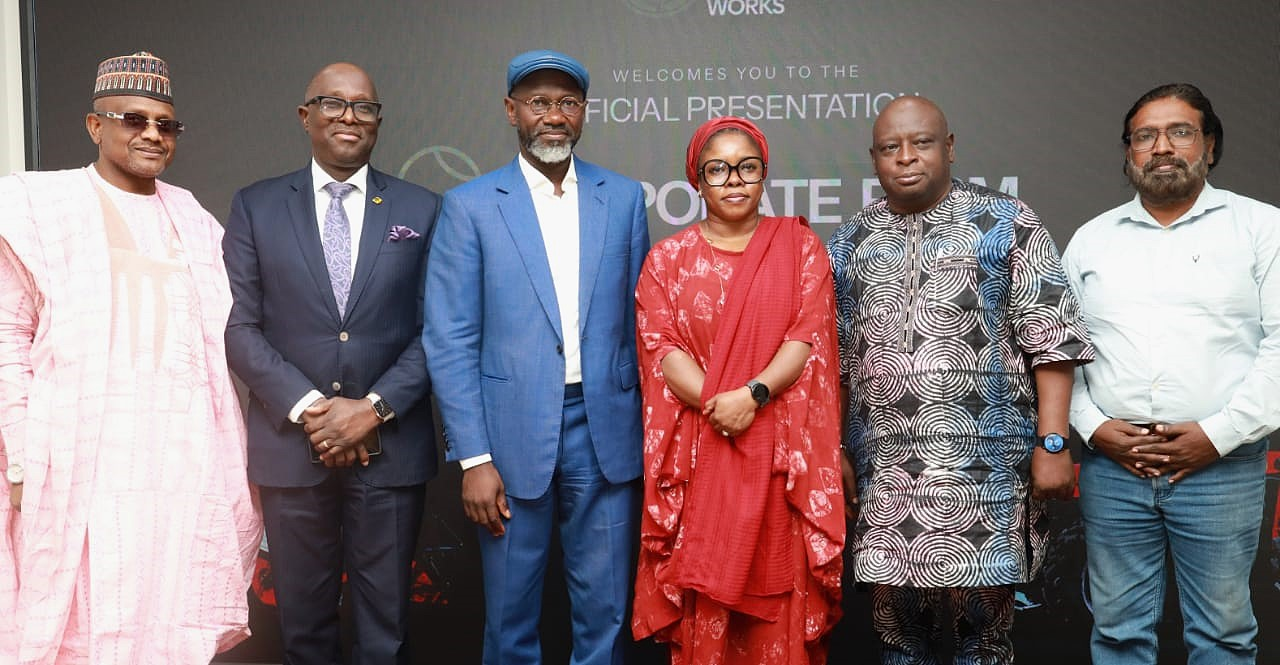
The initiative was unveiled at an event in Lagos that brought together policymakers, agribusiness operators, financial institutions and farmer groups, all seeking innovative pathways to reposition agriculture as a major economic driver.
Speaking during the launch, the Executive Chairman of Origin Tech Group, Prince Samuel Joseph, explained that the concept was developed to reposition farming from largely subsistence activity to a more structured and profitable commercial enterprise.
He noted that the corporate farming framework could unlock significant opportunities within Nigeria’s vast agricultural landscape while ensuring that farmers derive greater economic returns from their work.
According to him, the vision behind the initiative is to build a system where agriculture functions not only as a means of livelihood but also as a strong pillar of economic growth.
“Our mission is clear 100 per cent agriculture and 100 per cent value. Farmers deserve to benefit fully from the value generated by their labour while agriculture evolves into a sustainable driver of national prosperity,” he said.
Providing further insight, the Chief Operating Officer of Origin Automobile Works, Leo Edwards, described the Corporate Farm Model as a comprehensive structure designed to coordinate activities across the entire agricultural value chain.
He explained that the framework integrates farm development, mechanised production, logistics and market access, ensuring that agricultural output moves efficiently from cultivation to consumers.
Edwards added that the initiative is built on four strategic pillars aimed at improving productivity, reducing inefficiencies and expanding value creation across the sector.
Also speaking at the event, Managing Director of EKOLOG, Femi Ajayi, said the model represents a bold step toward opening new investment windows in Nigeria’s agricultural ecosystem.
He noted that by connecting production, processing and distribution more effectively, the initiative has the potential to stimulate private sector participation and strengthen the overall agricultural value chain.