
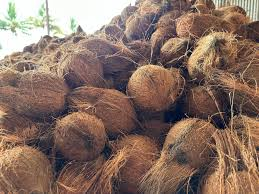
Nigeria still depends heavily on coconut imports despite significant growth in local output
LAGOS — Lagos State is struggling to meet growing demand for coconuts despite a sharp increase in local production over the years, a former Managing Director of the Lagos State Coconut Development Authority (LASCODA), Mr Dapo Olakulehin, has said.
Olakulehin disclosed this in an interview with the News Agency of Nigeria (NAN) on Tuesday in Lagos.
He said rising consumer awareness of the health benefits of coconuts and expanding industrial processing activities had significantly increased demand for coconut products across Nigeria.
According to him, Lagos State produced less than 100 metric tonnes of coconuts between the 1950s and 1970s, but current production has grown to about 290,000 metric tonnes.
However, he noted that local output still falls short of demand.
“In spite of the increase, we are still importing coconuts because local production cannot meet demand,” Olakulehin said.
He explained that many coconut processors in Nigeria rely heavily on imports from neighbouring countries such as Ghana and Côte d’Ivoire to sustain their operations.
“Out of every 10 coconuts processed in Nigeria, only about three are locally produced, while the rest are imported,” he said.
Olakulehin attributed the rising demand to growing interest in coconut-based foods and wellness products.
“People are now more aware of the health benefits of coconuts. These days, most weight-loss programmes include coconut products,” he added.
He said the challenge facing the sector was not necessarily low production, but the rapid pace at which consumer and industrial demand was expanding.
“We are producing, but we cannot meet local demand at all. The challenge is increasing awareness and expanding processing needs,” he said.
Olakulehin also said the Lagos State Government had intensified efforts to revive and reposition the coconut sector to take advantage of rising global demand and emerging market opportunities.
He noted that coconut processing had expanded beyond traditional oil production to include products such as coconut flour and other health-related derivatives.