
By Agrobroadcast Team
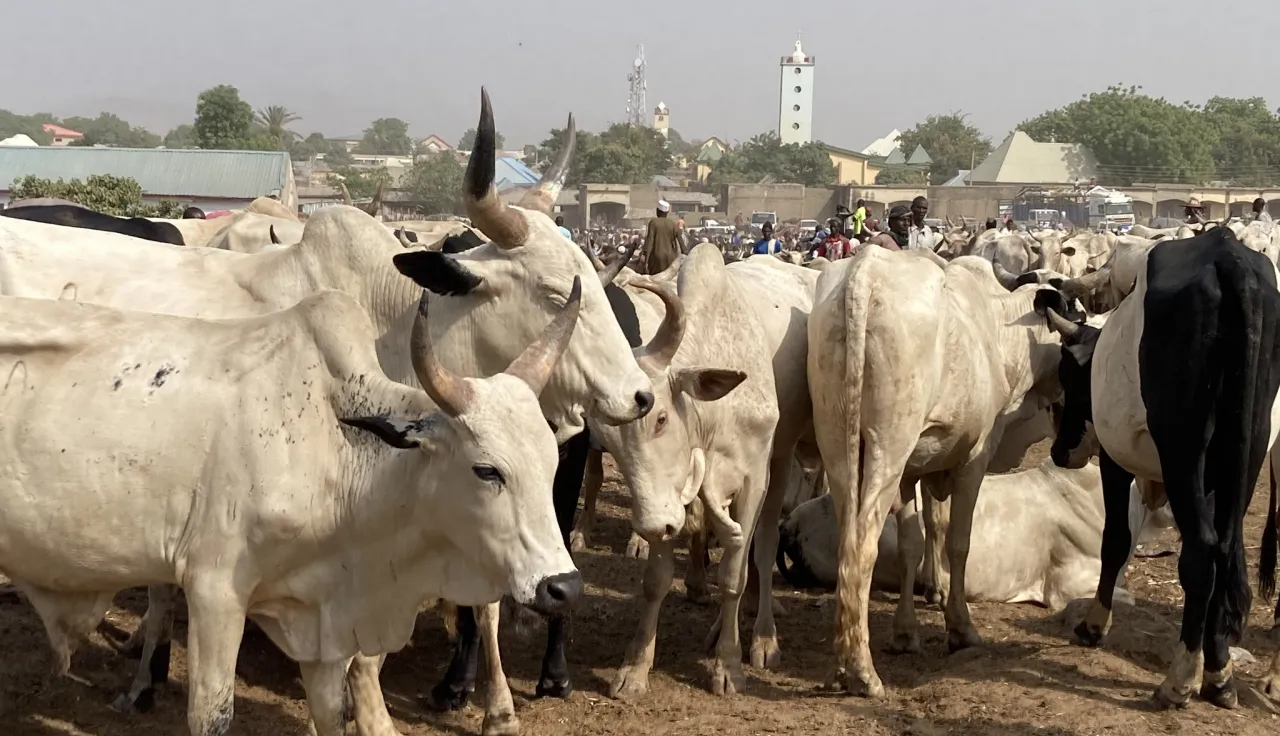
Nigeria is grappling with a worsening wave of violence linked to disputes over cattle grazing, raising fresh concerns about the safety and stability of rural communities.
Data from Nigeria Watch indicates that between July 2024 and February 2026, at least 1,303 people lost their lives in conflicts tied to livestock grazing across the country. The violence peaked in a single month with 329 recorded deaths, underscoring the urgency for decisive and effective intervention.
Analysts warn that if the trend continues unchecked, an additional 642 lives could be lost before the end of 2026. Beyond the tragic loss of life, the crisis is severely disrupting rural livelihoods, weakening trust among communities and threatening the fragile social fabric that binds them together.
In several areas, the violence has also triggered displacement along ethnic lines, with worrying signs of ethnic cleansing patterns emerging in vulnerable rural settlements.
Against this backdrop, many Nigerians welcomed the decision of the administration of Bola Ahmed Tinubu to establish the Federal Ministry of Livestock Development, a move widely seen as an attempt to address long-standing tensions between farming and herding communities.
The ministry was created with a key mandate to confront the persistent violence that has devastated rural parts of the country, particularly clashes involving groups often categorized as farmer-herder communities.
The appointment of a minister with experience in modern livestock management further raised expectations that the sector could be transformed through improved policies and private-sector-driven innovation.
With the creation of the ministry, three critical elements appeared to align: a clearly identified national problem, strong political commitment, and leadership with an entrepreneurial orientation. Together, these factors present a rare opportunity for Nigeria to rethink its livestock system and reduce conflict in rural communities.
However, experts caution that policy announcements alone will not deliver results. As is often said, the success of a policy lies not only in its design but also in its execution. Any intervention in a fragile peace and conflict environment carries both risks and opportunities. A responsive government must therefore work deliberately to maximize the benefits while minimizing unintended consequences.
Modernizing livestock farming, for instance, goes beyond introducing new technologies or large-scale ranching models. It also involves addressing the social dynamics that shape how such policies are received by communities. Without careful consideration of these social realities, modernization efforts may be perceived as threatening particularly by groups already disadvantaged by limited education, geographic isolation, or long-standing structural inequalities.
Nigeria’s rural communities have endured years of violence, weakened social cohesion and deep mistrust toward government initiatives. These experiences make it essential for policymakers to approach reforms with sensitivity and transparency.
To ensure that livestock reforms achieve their intended goals, stakeholders recommend a multi-pronged approach. One priority is the promotion of clear and credible narratives around government intentions. Over time, public discourse surrounding livestock reforms has been dominated by fears of land seizures, displacement of smallholder farmers, and policies perceived to favor powerful urban elites.
Rebuilding trust will require the government to demonstrate, through concrete actions, that reforms are inclusive and beneficial to local communities. Another critical area is strengthening the economic foundation of livestock production.
Many younger livestock farmers have little or no experience of consistent government support for the sector, particularly in areas such as access to animal vaccines and veterinary services.
Reviving transparent and reliable systems for delivering such support could significantly improve productivity while restoring confidence among rural producers.
Experts also stress that livestock modernization should prioritize enabling business conditions.
Effective regulation, improved market access, reliable veterinary inputs and stronger security guarantees including protection of lives, property and land tenure would allow Nigeria’s entrepreneurial farmers and pastoralists to expand and innovate within a stable environment.
Finally, policymakers must recognize that Nigeria’s livestock economy operates within diverse cultural and ecological contexts. Each state and geopolitical zone has unique historical relationships with livestock production. As such, locally tailored solutions will likely prove more effective than a single nationwide policy framework.
With rural lives at stake and communities under strain, stakeholders say the challenge now is for the government to move beyond policy announcements and deliver measurable reductions in violence and displacement across Nigeria’s countryside.