
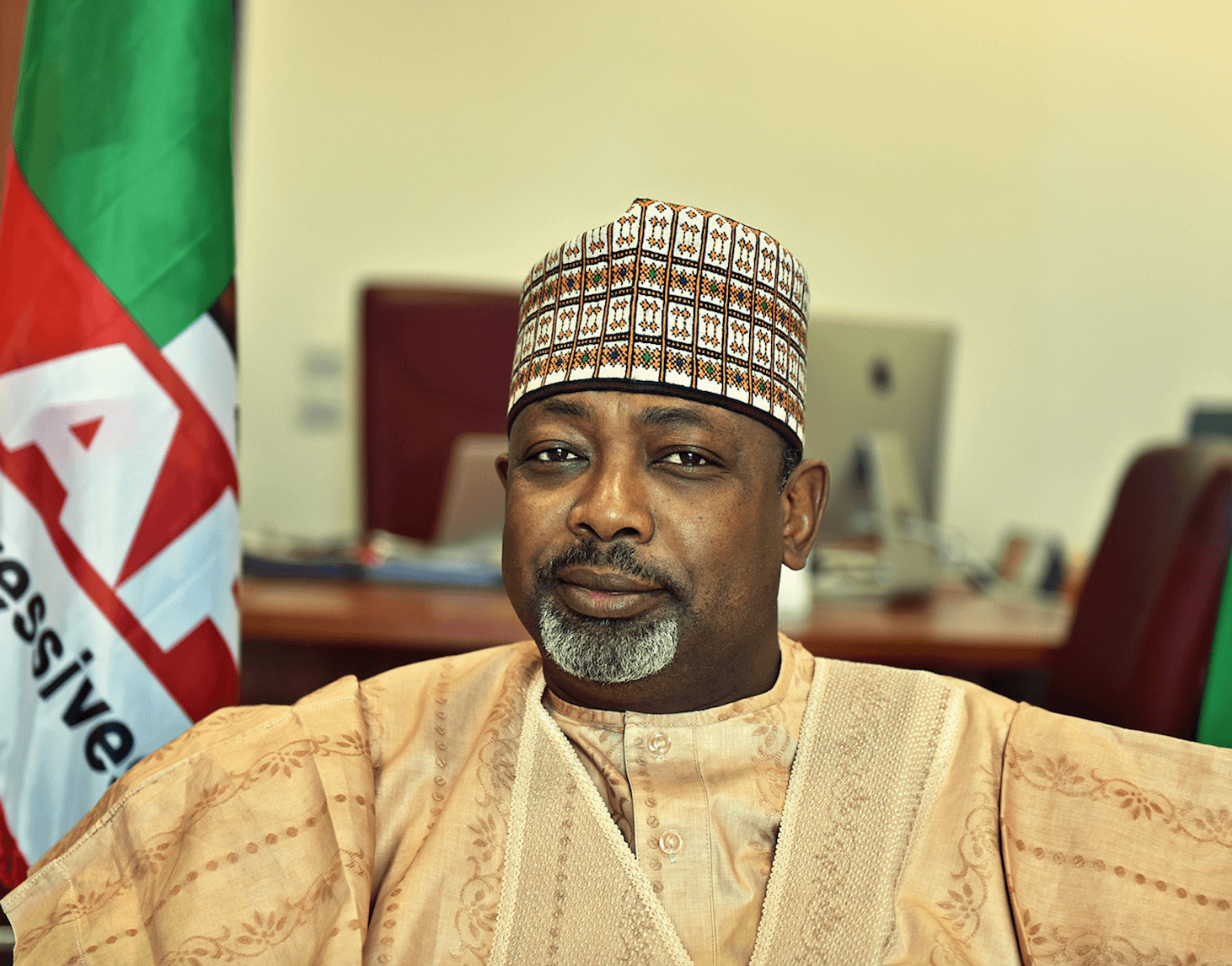
The Federal Government says strong public–private partnerships are the key to transforming Nigeria’s agrifood systems and boosting food security across the Sahel region.
Minister of Agriculture and Food Security, Senator Abubakar Kyari, made this known during a high-level panel discussion at the FAO Hand-in-Hand Sahel Regional Initiative held in Rome, Italy.
Kyari said the discussions focused on accelerating partnerships, investment, and innovation to drive productivity and sustainability in agriculture. He emphasized that strategic collaboration between the public and private sectors is crucial for creating an enabling environment and attracting quality investments.
“The Sahel region must leverage strong institutions, innovative financing, strategic public–private partnerships, and smart governance to unlock the full potential of its farmers, processors, and agribusinesses,” Kyari stated.
Reforms to Attract Private Sector Investment in Agriculture
The Minister highlighted several ongoing reforms designed to strengthen private sector participation in Nigeria’s agricultural sector. Among them is the National Agrifood System Investment Plan (NASIP), which is being upgraded into a National Public–Private Investment Portal.
The digital platform will showcase bankable agribusiness opportunities in key areas such as mechanisation, irrigation, storage, processing, logistics, and digital agrifood services — helping investors identify viable agricultural ventures across Nigeria.
Kyari also revealed that the government has streamlined incentives to attract investors, including targeted tax incentives, import duty reliefs, and risk-sharing facilities developed in partnership with international development organisations.
Scaling Up Agro-Industrial Processing Zones
In a major push to boost agricultural processing, Kyari announced the expansion of the Special Agro-Industrial Processing Zones (SAPZ) from eight to 27 states — making it the largest initiative of its kind in Africa.
According to him, the SAPZ programme aims to provide integrated infrastructure that reduces production costs and enhances value addition for agro-processors, thereby creating jobs and improving rural livelihoods.
The minister also unveiled the Post-Harvest Systems Transformation Programme (NiPHaST), a national effort to curb Nigeria’s ₦3.5 trillion annual post-harvest losses. The programme will introduce improved storage facilities, cold chain solutions, and modern warehousing systems to strengthen Nigeria’s agrifood value chain.
Commitment to Food Security and Sustainable Growth
“Scaling up requires diligent implementation, smart governance, and unwavering political will,” Kyari noted. “Our focus is on aligning policy with practice — turning investment promises into tangible projects that create jobs, feed families, and empower communities.”
Kyari reaffirmed that under President Bola Tinubu’s leadership, Nigeria is committed to building a resilient, inclusive, and competitive agrifood system.
“We will continue to work hand-in-hand with the Food and Agriculture Organisation (FAO), International Fund for Agricultural Development (IFAD), African Development Bank (AfDB), World Bank Group, ECOWAS, and private sector partners,” he said.
“Our shared goal is to translate agricultural investment commitments into real outcomes that strengthen food sovereignty, reduce hunger, and drive sustainable economic growth in Nigeria.”