
By Agrobroadcast Team
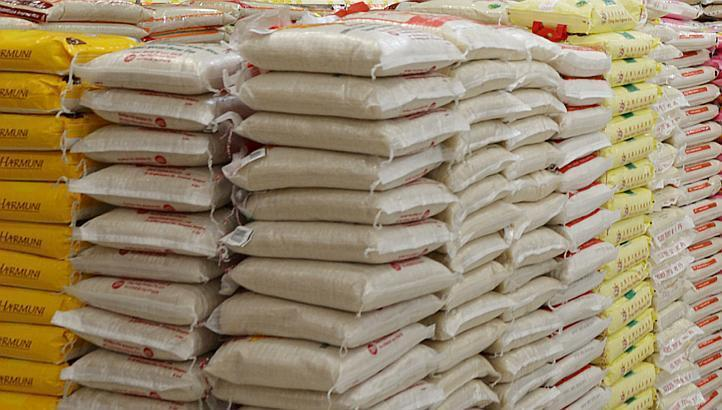
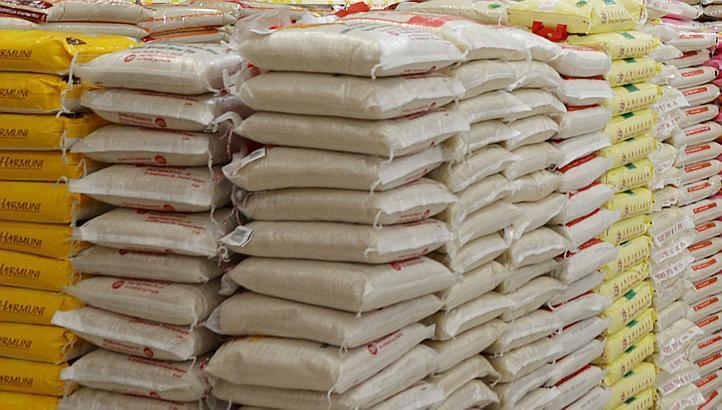
Nigeria’s rice industry, which recorded notable growth in recent years, is facing renewed pressure as rising imports and escalating production costs weaken the competitiveness of locally produced rice.
Data from the United Nations Comtrade database show that Nigeria spent about N51 billion ($34.4 million) on imported rice in 2024, a development analysts say is gradually eroding the gains achieved during the administration of former President Muhammadu Buhari.
During that period, the country expanded rice milling capacity and improved productivity per hectare in a bid to reduce dependence on foreign supply.
However, despite these earlier improvements, locally produced rice is increasingly struggling to compete with cheaper imports due to persistently high production costs. The situation is beginning to undermine the food security agenda of President Bola Ahmed Tinubu, whose administration aims to boost domestic food production and increase foreign exchange earnings from non-oil exports.
Rice farmers say the economics of cultivation have become difficult, with rising input costs and weak demand affecting profitability.
Muhammed Augie, former chairman of the Rice Farmers Association in Kebbi State, said many farmers are finding it hard to sell their paddy as several mills that previously purchased from them have shut down.
According to him, the downturn has forced some farmers to shift to alternative crops such as sorghum.
“Last year, less than 30 percent of rice fields in Kebbi were cultivated,” Augie said. “Rice farmers are in limbo and many of them are abandoning the crop.”
Ibrahim Salah, a rice farmer and aggregator in Mallam Dori Local Government Area of Jigawa State, also said low demand and rising input costs have significantly reduced farmers’ profit margins.
“The demand for paddy is very low at the moment and it is no longer profitable for us,” he said.
Regional trade data further highlight the scale of rice inflows into West Africa. UN Comtrade figures indicate that neighbouring countries such as Benin and Togo spent $705.7 million and $74.4 million, respectively, on rice imports within one year. Industry stakeholders believe a substantial portion of this rice is eventually smuggled into Nigeria through porous borders.
Estimates suggest Nigeria requires about six million metric tonnes of milled rice annually to meet domestic demand. However, the Rice Processors Association of Nigeria says the country needs roughly 11 million metric tonnes of paddy to achieve this output but currently produces only 4.8 million metric tonnes, leaving a supply gap of about 6.2 million metric tonnes.
Despite having a national milling capacity of about 7.5 million metric tonnes, many mills are operating far below capacity due to limited paddy supply and macroeconomic challenges, according to data from the Rice Farmers Association of Nigeria.
In June last year, the federal government introduced a temporary import waiver on certain essential commodities, including rice, to ease food price pressures. While the policy has helped moderate prices for consumers, stakeholders say it has further squeezed the margins of local farmers and millers.
Industry operators report that more than 90 rice mills have shut down operations as they struggle to compete with cheaper imported rice and the influx of smuggled products.
Peter Dama, national chairman of the Rice Millers Association of Nigeria, said the high cost of paddy, rising energy prices and expensive credit have made it difficult for millers to scale production.
“Rice millers cannot ramp up production and compete with cheaper imports with the high cost of paddy, energy and interest rates,” he said, noting that more than 50 small-scale millers closed operations last year.
Dama warned that the duty-free import policy for rice could further weaken the domestic industry if adequate safeguards are not introduced to protect local producers.