
Nigeria is losing an estimated N543.7 billion every year to international export rejections linked to excessive pesticide residues in its agricultural commodities. This concern dominated discussions at the National Summit on Agroecology and Public Private Partnerships held in Lagos, where experts warned that unchecked use of toxic chemicals is putting food safety, export earnings, rural livelihoods and public health at serious risk.
The two-day gathering, convened by ActionAid Nigeria in partnership with the Federal Ministry of Agriculture and Food Security and the Nigeria Agribusiness Group, drew more than 300 participants from government agencies, donor organisations, research institutions, civil society groups and farmer associations. The summit is part of the ongoing process to validate Nigeria’s first National Agroecology Strategy.
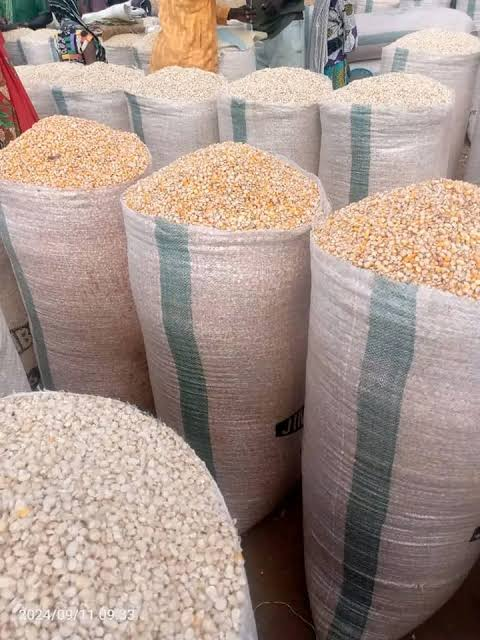
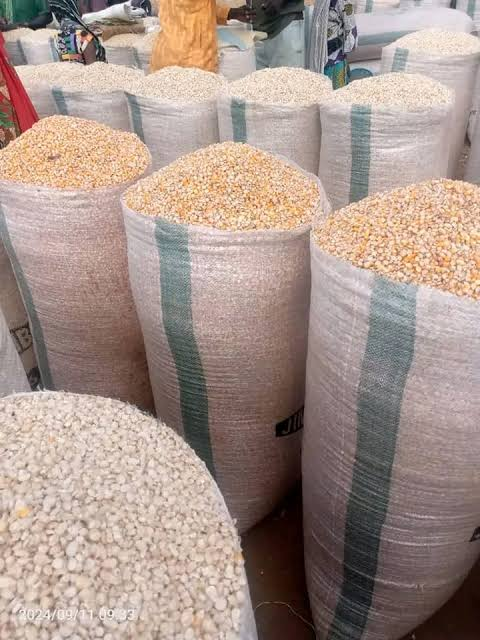
During the meeting, Egba Virginia Ogwa, Programme Manager at Ebonyi ADP, traced Nigeria’s recurring export losses to widespread reliance on highly hazardous pesticides. She recalled the 2015 ban on Nigerian beans by the European Union after detecting dangerous levels of dichlorvos, noting that the country continues to forfeit about $362.5 million (N543.7 billion) annually as a result. According to her, every rejected shipment translates to loss of income, credibility and opportunities for farmers.
Ogwa drew from a World Health Organisation report showing that although Nigeria accounts for only 25 per cent of global pesticide usage, it is responsible for 99 per cent of global pesticide-related deaths. The report estimated that 385 million farmers suffered pesticide poisoning in 2019, largely in Africa and Asia.
Experts at the summit agreed that Nigeria’s growing dependence on chemical inputs is worsening food insecurity, degrading ecosystems and deepening economic hardship for smallholder farmers. Ogwa stressed that the country must urgently move toward safer alternatives. In her words, continuing business as usual would further weaken Nigeria’s food system and inflate existing economic losses.
Mohammed Rili, Chairman of All ADP Managers in Nigeria, described the pesticide crisis as a national emergency. He warned that hazardous chemicals are damaging Nigeria’s export reputation, endangering farmers and exposing children to long-term health risks. With inflation pushing chemical inputs out of the reach of many rural households, he noted that agroecological practices built on natural, locally sourced materials offer a more sustainable option.
Women farmers at the event shared disturbing experiences of health complications linked to pesticide exposure, including respiratory problems, dizziness, headaches and skin reactions. Experts also highlighted Nigeria’s rising cancer burden, with 72,000 deaths recorded annually. They linked part of the health trend to prolonged exposure to carcinogenic chemicals such as glyphosate, atrazine, chlorpyrifos and endosulfan substances banned in many developed countries but still widely used locally.
Environmental concerns also featured prominently. Macaulay Koffi, Programme Manager at Bayelsa ADP, warned that indiscriminate chemical use is poisoning waterways, depleting biodiversity and weakening soil health. He noted that farmers often apply chemicals without proper knowledge, and many of these substances are banned elsewhere but circulate freely in Nigerian markets. He reported that agroecological practices, including organic fertiliser use and nature-friendly pest control, are already yielding positive outcomes in several states.
A communiqué issued at the summit raised concerns about gaps in the 2025 national budget. Participants noted that critical allocations for agroecology and biodiversity were placed under the Presidency and the Office of the Secretary to the Government of the Federation instead of the Ministry of Agriculture and the Ministry of Environment. They warned that such misalignment could hinder effective coordination and implementation.
Delegates recommended immediate implementation of the National Agroecology Strategy, establishment of community seed banks to preserve indigenous crop varieties, strengthening of extension services and a phased reduction of hazardous pesticides 50 per cent by 2030, 25 per cent by 2040 and 5 per cent by 2050.
The summit closed with a unified call for urgent action. With food insecurity worsening, export markets shrinking and public health concerns rising, participants stressed that Nigeria must transition from harmful chemical dependence to sustainable, agroecological farming systems. They emphasised that the future of the nation’s food system hinges on the decisions taken today.