
By Agrobroadcast Team
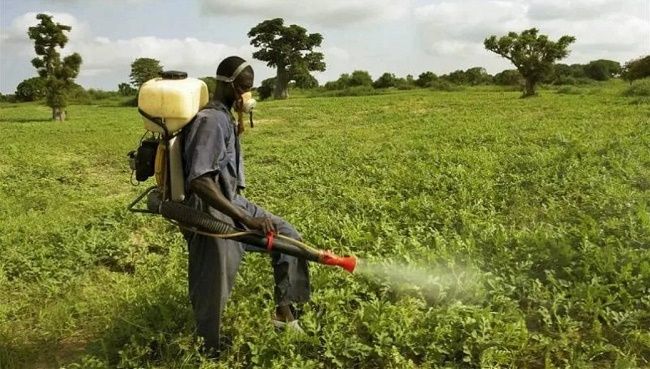
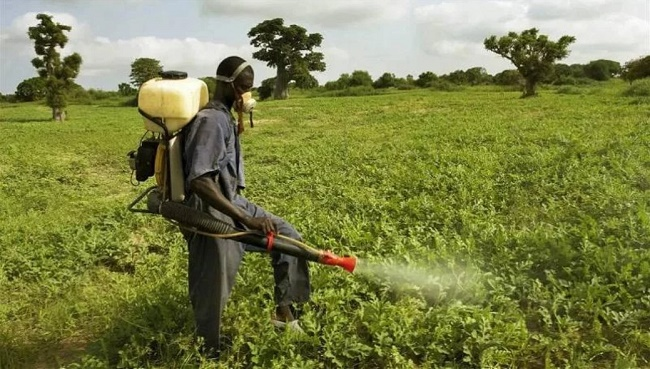
Agriculture professionals have expressed growing concern over the increasing misuse of agrochemicals by farmers, warning that excessive and improper application could endanger public health, degrade soil quality and undermine long-term productivity.
The concerns were raised in separate interviews in Lagos, where stakeholders emphasised the need for stricter adherence to safety standards and improved farmer education on chemical application.
A strategic agriculture communication expert, Olawale Ismail, said while agrochemicals remain indispensable in modern crop production, their application must be guided by clearly defined technical standards.
According to him, completely eliminating agrochemicals from farming systems is unrealistic, given their decades-long role in pest and disease control.
He noted that as far back as the 1970s, chemicals such as Gamelin 20 were commonly used by cocoa, coffee and kola nut farmers for pest management. Today, their use has expanded to vegetables and other staple crops.
However, Ismail identified over-application and disregard for measurement guidelines as the core problem. He explained that many farmers are familiar with the products they use but often fail to comply with recommended dosage and safety procedures.
“There are established rules for applying these chemicals, but some farmers exceed prescribed limits under the belief that higher quantities will automatically translate to higher yields,” he said.
He described this assumption as dangerous, stressing that improper use of agrochemicals poses health risks to farmers and consumers alike. According to him, behavioural change will require sustained advocacy, as economic pressures often push farmers to prioritise short-term profit over long-term safety considerations.
On his part, agriculture analyst and farmer, Omotunde Banjoko, advocated a gradual transition towards organic and biologically driven farming systems. He said farmers could significantly reduce dependence on synthetic chemicals by adopting integrated pest management, organic fertilisation methods and improved agronomic practices.
Banjoko acknowledged that achieving a completely chemical-free system may not be immediately feasible, but maintained that reduction is both possible and necessary.
He added that organic produce often attracts premium prices in both local and international markets, although consumers must be prepared for potential cost differences.
He further stressed the need to strengthen extension services, calling for more trained extension agents to work directly with rural farmers. According to him, equipping extension officers with accurate technical knowledge and appropriate tools is critical to improving compliance with safe agrochemical practices.
The experts agreed that sustainable agricultural growth depends not only on boosting yields but also on ensuring food safety, environmental protection and responsible input management across the value chain.