
By Agrobroadcast Team
Rising geopolitical tensions in the Middle East are beginning to reverberate through global agricultural markets, with potential consequences for food-importing nations such as Nigeria.
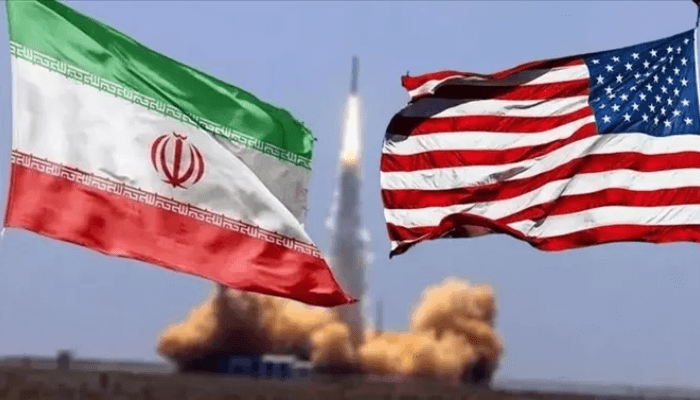
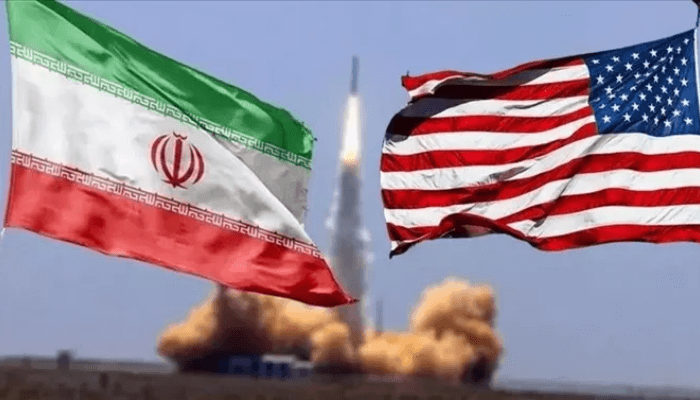
The Iranian government on Tuesday announced an immediate suspension of exports of all food and agricultural commodities as hostilities involving Iran, Israel and the United States entered a fourth day. The move has intensified concerns about supply disruptions in one of the world’s most strategic fertilizer production and shipping corridors.
Industry analysts warn that the escalating conflict could unsettle global fertilizer markets, pushing up the cost of key crop nutrients and compounding existing food inflation pressures.
Data from the United Nations COMTRADE indicate that Iran exported fertilizers valued at $169.11 million to Nigeria in 2022, underscoring the country’s role in Nigeria’s agricultural supply chain.
Nigeria imported approximately 560,000 metric tons of fertilizer in 2025, with volumes projected to increase in 2026 to meet rising demand. The latest export restriction therefore arrives at a sensitive period, as farmers prepare for the wet season planting cycle.
“The timing is critical because farmers are already gearing up for cultivation,” said John Anana, Chief Executive Officer of Jeffy Farms, noting that any supply shortfall could translate into higher input costs and reduced profit margins for producers.
The broader Gulf region hosts several of the world’s largest fertilizer production facilities, while the Strait of Hormuz accounts for roughly one-third of global trade in crop nutrients. Any sustained disruption along this route could further tighten supplies.
According to Bloomberg Intelligence, Qatar contributes about 11 percent of global urea exports, with nearly 45 percent of shipments originating from plants across the Persian Gulf.
Market volatility is already evident. Bloomberg Green Markets reports that granular urea prices in Egypt have surged by $60 per metric ton following the effective closure of the Strait of Hormuz, as buyers rush to secure alternative supplies from North Africa and Southeast Asia.
With fertilizer costs historically linked to food price movements, analysts caution that prolonged instability in the region could ripple through global food systems, placing additional strain on vulnerable economies.