
By Agrobroadcast Team
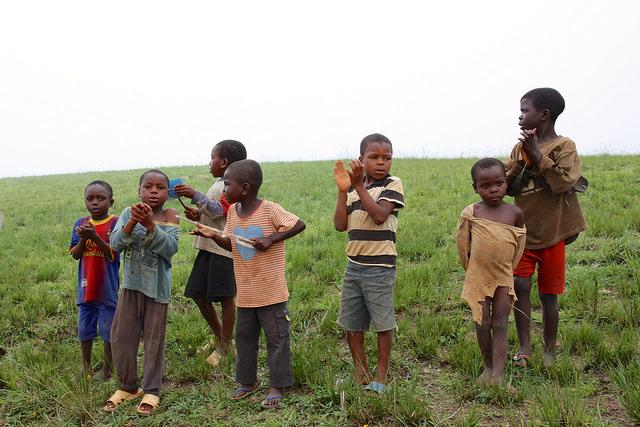
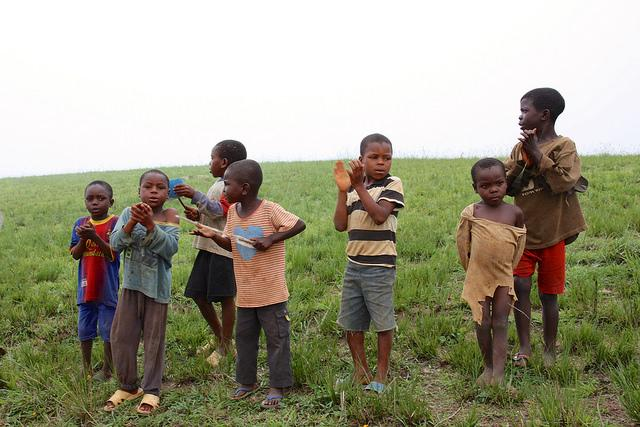
Efforts to curb the use of underage children in ginger farming communities of Southern Kaduna have received renewed momentum as the Christian Rural and Urban Development Association of Nigeria (CRUDAN) steps up advocacy across the value chain.
The organisation called for a coordinated response involving local communities, civil society groups, farmers, extension officers, policymakers and other key actors to address the persistent challenge.
The appeal was made during a one-day Stakeholders’ Debriefing, Learning and Sustainability Workshop on Child Labour Awareness in Ginger Production, held in Kachia, Kachia Local Government Area of Kaduna State.
The forum brought together representatives from Fai in Jaba LGA and Kachia LGA to assess interventions so far, examine field findings and chart practical, long-term solutions for affected communities.
Project Consultant, Mr. Michael Agon, said the initiative forms part of a broader campaign to eliminate child labour within the ginger supply chain in Southern Kaduna.
He noted that the sensitisation drive was designed to enlighten farmers, processors, community leaders and public officials on the social and developmental consequences of engaging children in exploitative labour.
He defined child labour as work that deprives minors of education and exposes them to physical, mental, social or moral harm, stressing that the problem remains a global concern.
According to him, an estimated 160 million children were engaged in child labour worldwide as of 2020, with Sub-Saharan Africa accounting for the highest share. Of that figure, about 79 million were involved in hazardous tasks capable of endangering their health and safety.
Agon identified poverty, limited access to quality education, weak enforcement of child protection laws, entrenched cultural practices and low awareness as major factors sustaining the practice in ginger-producing communities.
He explained that the workshop aimed to review the effectiveness of existing prevention and remediation measures, analyse data from field assessments and inspections, strengthen inter-agency coordination, and outline clear action plans with defined responsibilities and timelines.
He further underscored the importance of ensuring compliance with child rights regulations and ethical standards among employers and community members.
Participants welcomed the initiative, describing it as timely and necessary. Mrs. Ruth Danladi from Fai community said the engagement had helped families understand the distinction between light domestic support and labour that disrupts children’s education.
She pledged that community leaders would intensify advocacy among parents to prioritise schooling.
Similarly, Mr. John Bako, a ginger farmer in Kachia, assured stakeholders of farmers’ commitment to adopt production practices that do not rely on child labour, noting that safeguarding children’s welfare is essential for the community’s future.
Also speaking, Mr. Samuel Luka, a teacher in Kachia, emphasised the role of educators in detecting early warning signs such as persistent absenteeism, exhaustion and declining academic performance among pupils.
He said schools would work more closely with parents and relevant authorities to protect vulnerable children.
At the close of the workshop, participants resolved to deepen collaboration among government agencies, non-governmental organisations, supplier firms, traditional and religious institutions, schools and security agencies.
They agreed to develop community-driven action plans focused on sustained monitoring, public awareness and enforcement of child protection measures across ginger-producing areas in Southern Kaduna.