
By Agrobroadcast Team
As Nigeria grapples with mounting post-harvest losses and an estimated N3.5 trillion in annual food waste, a cleantech agribusiness, Ecotutu, is demonstrating how targeted cold-chain investments can deliver measurable impact across the agricultural value chain.
In its 2025 impact report, the company disclosed that it handled and preserved approximately 18,000 metric tonnes of perishable produce nationwide, preventing an estimated 13,000 tonnes from spoiling. The figures underscore the transformative role of reliable refrigeration infrastructure in a sector long constrained by heat exposure and weak logistics systems.
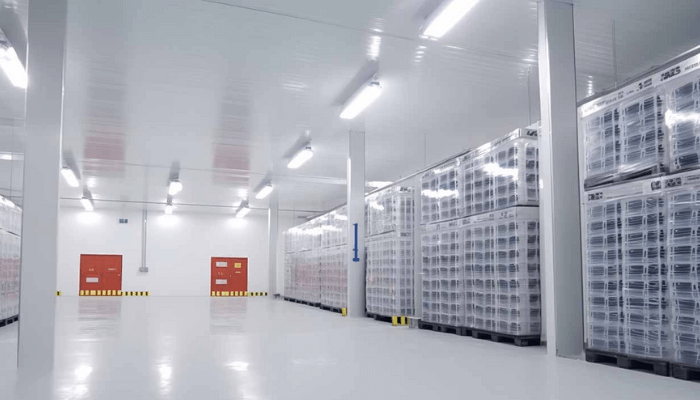
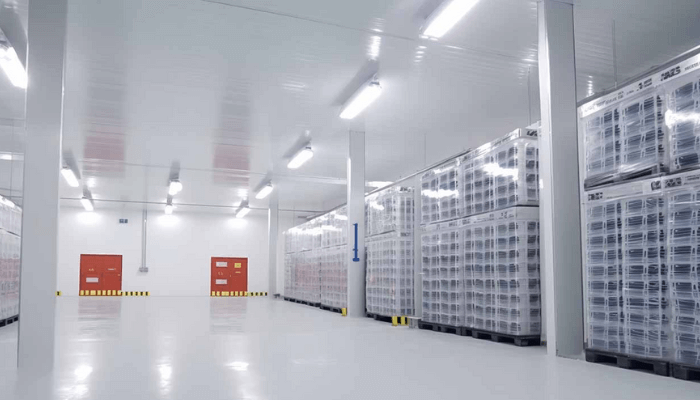
Ecotutu’s model centres on solar-powered cold storage facilities designed to extend the shelf life of fruits, vegetables and other temperature-sensitive commodities. According to Babajide Oluwase, the firm’s Chief Executive Officer, the 2025 performance data also revealed a critical market insight: women remain pivotal to Nigeria’s food security architecture.
For smallholder farmers and produce traders, inadequate storage has historically meant forced, rapid sales at unfavourable prices to avoid total spoilage. Access to cold rooms has shifted this dynamic, enabling producers to hold inventory longer, negotiate better prices and align supply with market demand rather than distress timelines.
Data from the report indicate that users of Ecotutu’s facilities recorded an average 30 per cent increase in income in 2025. The income gains were attributed to reduced wastage, improved produce quality and stronger bargaining power in the marketplace.
Processors equally benefited. The availability of temperature-controlled storage and logistics reportedly cut raw material rejection rates by as much as 45 per cent, stabilising supply chains frequently disrupted by excessive heat and transportation delays.
The horticulture segment, particularly vulnerable to temperature fluctuations, showed notable improvement. Farmers and aggregators leveraging cold storage solutions experienced spoilage reductions of up to 35 per cent, safeguarding not only food output but also embedded resources such as water, land and labour.
Beyond stationary storage, the report highlights the growing importance of refrigerated transport. Case studies show that temperature-controlled logistics preserved mango pulp shipments for a dried fruit processor moving goods from Ogun State to Lagos, reduced losses in intra-city fresh produce distribution, and protected pineapples transported from the Benin Republic into Nigeria—routes previously plagued by heat-induced spoilage.
However, Ecotutu argues that cold-chain development must be approached as an integrated ecosystem rather than isolated infrastructure. Following its 2025 Cold Chain in Agriculture Roundtable, which convened policymakers, financiers and agribusiness stakeholders, the company emphasised that inefficiencies persist when storage, energy and logistics actors operate in silos.
The roundtable identified structural bottlenecks, including the misplacement of cold infrastructure in urban consumption centres instead of production and aggregation zones where losses are most acute. Financing constraints were also flagged, with high interest rates and weak collateral frameworks limiting private sector investment despite evident demand.
Operational gaps remain another concern. According to the report, inadequate technical knowledge and the absence of enforceable standards often result in poor utilisation and underperformance of existing facilities.
From a climate perspective, the expansion of solar-powered cold storage presents dual benefits. By preventing food from decomposing, Ecotutu estimates it avoided approximately 39,000 tonnes of carbon dioxide equivalent emissions in 2025. The shift away from diesel-powered generators for cooling further reduced the carbon footprint of agricultural operations.
The company’s survey data also show that women constitute about 45 per cent of its user base. Women-led enterprises were observed to demonstrate disciplined utilisation patterns, translating access to cold storage into improved cash flow management and more efficient inventory control.
Despite these gains, Nigeria’s cold-chain deficit remains substantial, spanning fresh produce, meat, dairy and aquaculture segments. Ecotutu said it plans to scale operations by deploying more than 40 additional solar and hybrid cold rooms by 2026, focusing on logistics corridors and underserved markets to close critical infrastructure gaps.
The full 2025 impact report is available on the company’s website.