
By Agrobroadcast Team
Nigeria’s House of Representatives has launched a fresh probe into agricultural spending over the past decade, summoning top government officials to explain how funds allocated to the sector were utilised between 2015 and 2025.
Those invited to appear before lawmakers include the Ministers of Finance and Agriculture and Food Security, as well as the Auditor-General of the Federation.
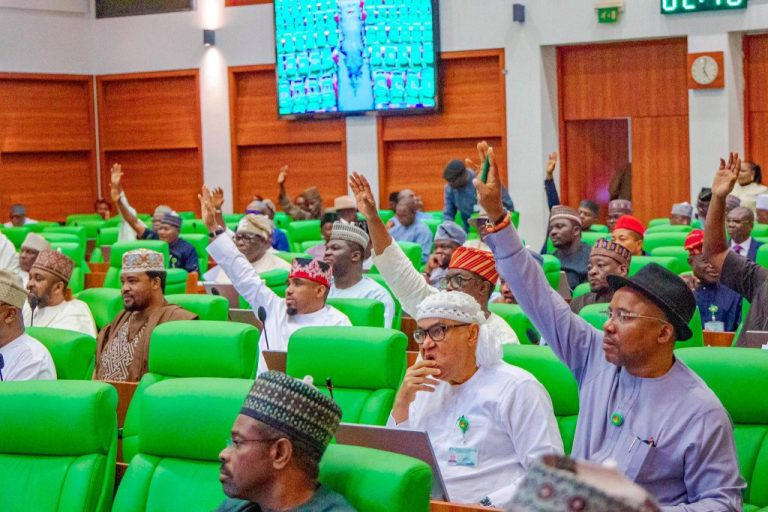
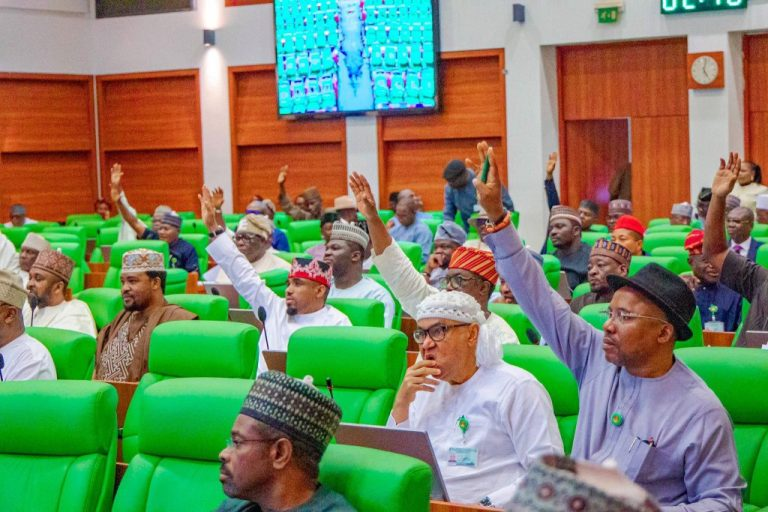
The summons was issued on Tuesday in Abuja by the House Ad hoc Committee investigating Agricultural Subsidies, Intervention Funds, Aids and Grants Programmes during a public hearing.
The committee directed that the officials, or their duly authorised representatives, must appear before it on February 3, warning that failure to comply would attract legislative sanctions as provided under the powers of the National Assembly.
Ruling at the hearing, Chairman of the committee, Rep. Jamo Aminu (APC–Katsina), said the exercise was aimed at strengthening oversight and ensuring accountability in public spending within the agricultural sector.
He noted that the intervention programmes were introduced to boost food production, provide support for farmers and enhance national food security, but growing concerns over food shortages, rising prices and the actual impact of the schemes made the investigation necessary.
Rep. Aminu expressed displeasure over the inability of the Office of the Auditor-General of the Federation to submit audit reports on several agricultural subsidy and intervention programmes carried out during the period under review.
According to him, the committee requires detailed audit documentation to properly track fund disbursement, utilisation and outcomes across the various programmes.
“We cannot effectively carry out this investigation without proper audit records.
These funds cover a ten-year period and involve programmes that are critical to the nation,” he said, stressing that transparency and accountability remain non-negotiable.
Earlier, a Deputy Director in the Office of the Auditor-General of the Federation, Mr Mohammed Adamu, attributed the absence of comprehensive audit reports to the failure of the Ministry of Agriculture to provide necessary documents.
He explained that repeated requests had been made for records relating to agricultural subsidies, grants, aids and intervention programmes, but the office had not received adequate cooperation.
“The Ministry of Agriculture is the primary source of these documents. Without them, it has been difficult to conclude the audit process,” Adamu said.