
By Agrobroadcast Team
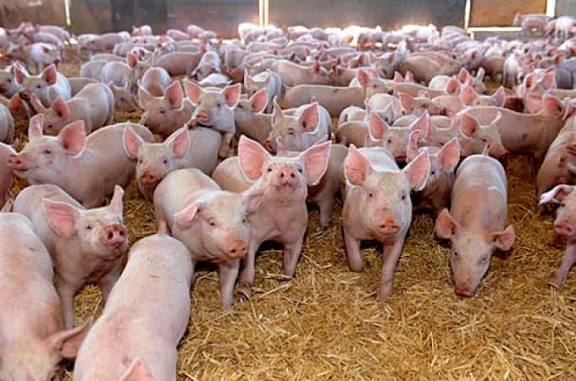
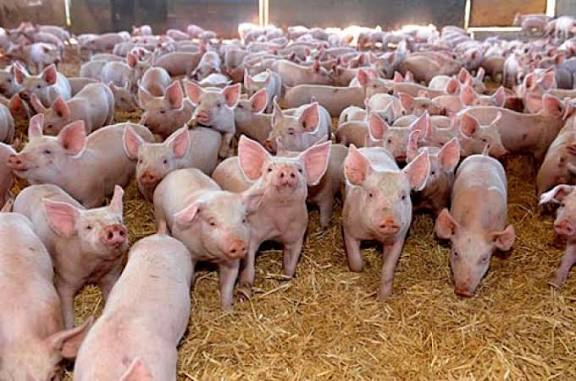
The Pig Farmers Association of Nigeria (PIFAN) has called on federal, state and local governments to deliberately invest in pig farming by improving access to land, finance and critical production inputs, warning that continued neglect of the subsector is costing the country enormous economic opportunities.
Speaking in Abuja during an interview with the News Agency of Nigeria (NAN), PIFAN President, Prof. Akin Adesehinwa, lamented that pig farming receives far less policy attention and support than other livestock industries such as cattle and poultry.
He stressed that pig production should no longer be viewed narrowly as a source of pork alone, explaining that the industry holds vast economic value capable of contributing significantly to Nigeria’s Gross Domestic Product (GDP) if properly developed.
According to him, pig farmers rely on the same feed resources such as maize, soybean, groundnut cake and cottonseed as other livestock producers, yet are largely excluded from government-backed interventions.
“While discussions around livestock development often focus on cattle ranching, pig production is rarely mentioned,” Adesehinwa said. “Livestock development should be inclusive. It is not only about cattle.”
Despite limited institutional support, he noted that Nigeria remains Africa’s leading pig producer, adding that with targeted investment, the sector could expand rapidly, create more jobs and increase export earnings.
He revealed that some operators are already exporting pig-derived products.
Adesehinwa described pig farming as a major source of employment with a wide value chain that goes beyond meat production. He listed industries such as cosmetics, footwear, leather goods, brushes and accessories that depend on pig by-products.
He also highlighted the environmental and agricultural benefits of pig waste, noting that it can be converted into organic manure for crops and used in biogas production.
The PIFAN president further emphasised the role of pig farming in reducing unemployment, empowering youths and women, and improving household incomes.
“Pig production earns foreign exchange,” he said. “Many of our members, both graduates and non-graduates, have built stable livelihoods through pig farming, educated their children and acquired assets, including homes.”
He urged policymakers to recognise pig farming as a strategic economic sector and extend the same level of support currently enjoyed by other livestock subsectors.