
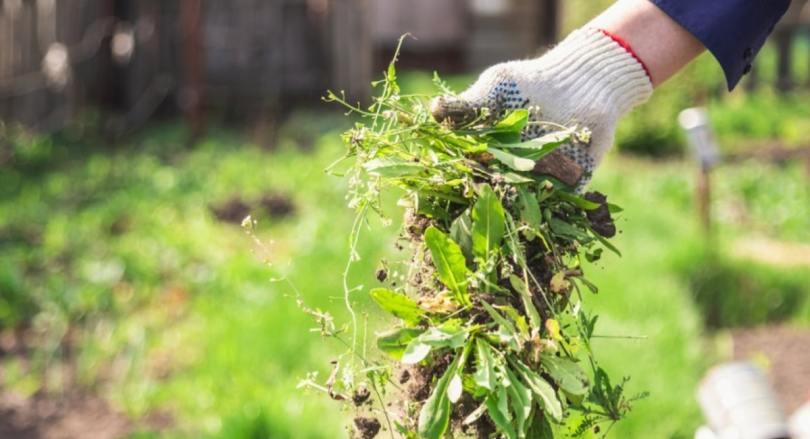
A new scientific study has highlighted the urgent need for greener, safer weed-control methods to reduce farmers’ reliance on toxic chemicals that are worsening Nigeria’s food shortage crisis.
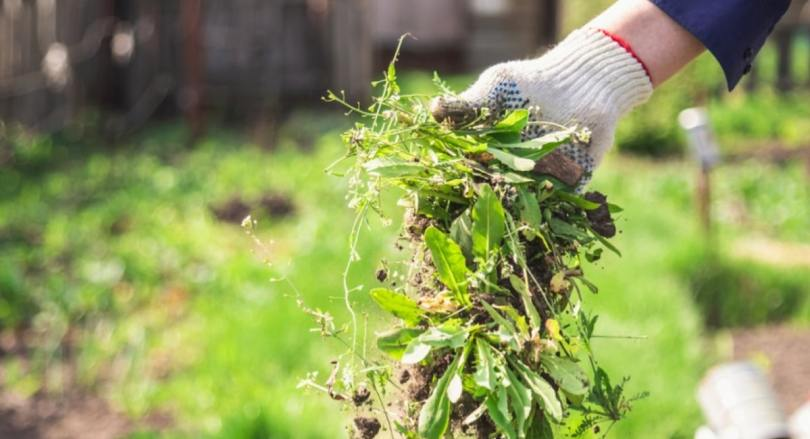
The research, led by Nigerian biochemist Dr. Ige Komolafe, shows that natural plant compounds can be developed into bio-herbicides capable of managing invasive weeds without degrading soil or harming the environment.
Published in the Journal of Applied Sciences and Environmental Management, the study explored how extracts from Datura metel a common tropical plant influence the germination and biochemical composition of staple crops such as maize and beans. The findings reveal that plant-based chemicals known as allelochemicals can serve as safe, natural alternatives to synthetic weed killers.
Dr. Komolafe explained that these allelochemicals are naturally occurring defensive compounds that, when properly harnessed, function as effective and eco-friendly herbicides. His work blends plant ecology with biochemical toxicology, driven by the urgent need for natural weed-control options in regions where chemical misuse threatens food systems and human health.
He noted that the study was inspired by the daily struggles of local farmers who face persistent weed infestations and severe soil degradation. “Nigeria is one of the countries most threatened by chemical misuse,” he said. “Small holder farmers, who produce most of our food, battle aggressive weeds that cut yields and raise production costs. Many turn to synthetic herbicides, but poor regulation and inconsistent usage pose long-term risks to soil health, water bodies and consumers.”
Agricultural analysts argue that Nigeria’s escalating food prices and recurrent shortages make environmentally safe weed-control solutions even more essential. They also point out that Nigeria’s dependence on synthetic herbicides mirrors global concerns, as widely used chemicals such as glyphosate continue to raise health and environmental questions.
“But unlike wealthier nations, most Nigerian farmers cannot afford costly imported inputs, leaving them vulnerable to crop losses,” one analyst noted. “Eco-friendly weed control is not just a scientific advancement it is a practical lifeline for farmers who cannot depend on expensive imports.
”Experts say the implications are far-reaching: natural weed-control methods could strengthen Nigeria’s climate resilience, reduce production costs, and boost food output at a time when food insecurity remains high.
Dr. Komolafe, whose research demonstrates how plant-to-plant interactions can support ecological balance, called for stronger investments in research, development and natural allelochemicals. Such efforts, he said, would help reduce hazardous chemical use, restore soil health and promote safer, more sustainable food production across the country.