
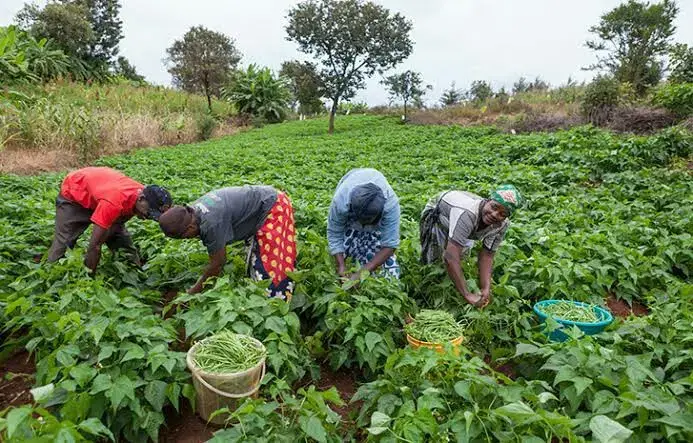
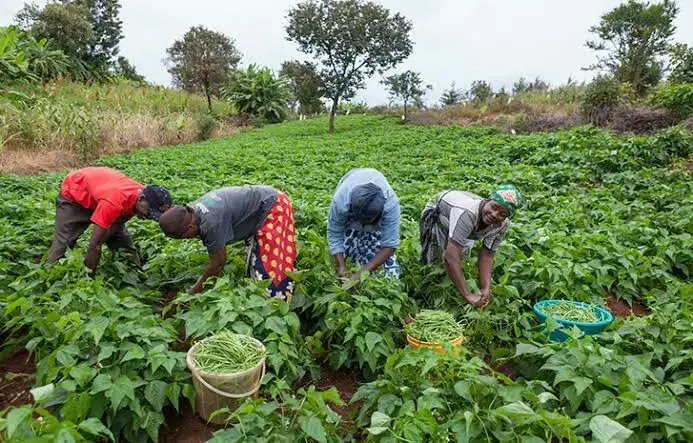
Nigeria loses an estimated $9–10 billion every year to post-harvest waste a staggering setback that experts say is weakening food security, shrinking farmers’ earnings, and slowing national economic growth.
The alert was raised by Segun Alabi, Chief Executive Officer of Davidorlah Nigeria Limited, an agritech company leading large-scale pineapple farming and fruit concentrate production across West Africa.
Alabi, whose company runs Davidorlah Farms, the largest pineapple farm estate in the region, said the losses stem from “suboptimal harvesting practices, inadequate storage, poor transportation systems, and limited processing capacities.” These challenges, he noted, cause 30–50% of Nigeria’s agricultural output to perish each year.
“What Nigeria loses annually to post-harvest waste is enough to transform the agricultural sector and significantly boost GDP if properly managed,”
Segun Alabi, CEO, Davidorlah Nigeria Limited
He stressed that tackling the crisis demands urgent investments in modern storage facilities, cold-chain infrastructure, silos, and decentralized processing hubs to extend the lifespan of perishable crops. He also highlighted the importance of farmer training, better rural roads, affordable preservation technologies including solar dryers and supportive government policies.
According to Alabi, reducing post-harvest losses would immediately strengthen the economy by increasing marketable produce, expanding export capacity, and improving overall food security.
“When farmers retain more value from what they plant, the entire value chain grows boosting productivity, improving rural livelihoods, and building a more resilient agricultural sector,” he said.
He added that implementing effective waste-reduction strategies could create thousands of jobs in logistics, storage management, food processing, equipment manufacturing, and farmer-training services with significant opportunities for women and young people in rural communities.
Alabi also pointed to environmental benefits, noting that reducing waste would ease pressure on land and water resources and cut greenhouse-gas emissions from decomposing organic matter. He emphasized the potential of waste-to-wealth ventures such as composting, organic fertilizers, animal feed, bioenergy, and bioplastics, describing them as profitable frontiers for entrepreneurs.
Calling for a national policy shift, Alabi warned that Nigeria “cannot continue to lose billions of dollars every year to waste when those same losses represent enormous opportunities for wealth creation.” He urged the government to lead strategic investments and create an enabling environment for innovation, stressing that the future of Nigeria’s agriculture depends on how quickly the post-harvest waste crisis is addressed.