
The Federal Government has officially launched the National Digital Farmers Registry (NDFR) a unified, secure, and data-driven platform designed to identify and support every farmer in Nigeria. The initiative aims to strengthen agricultural planning, improve transparency, and unlock targeted support to millions of smallholders across the country.
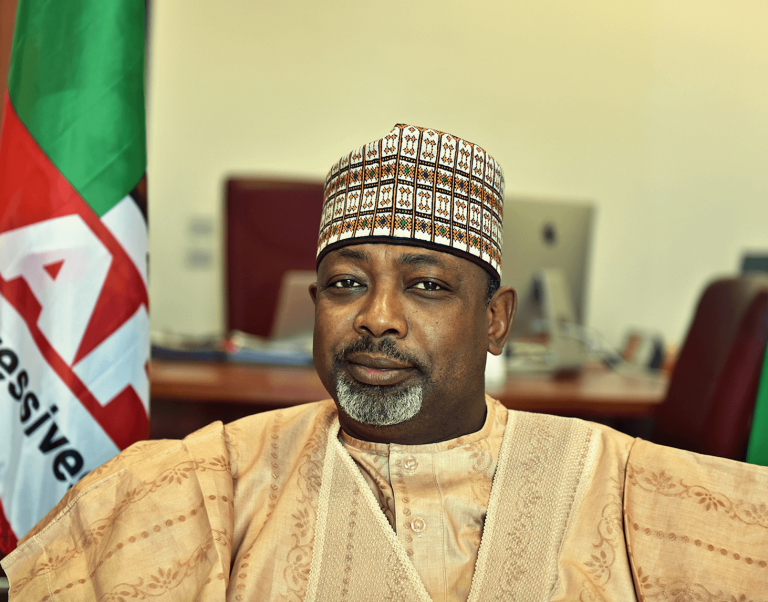
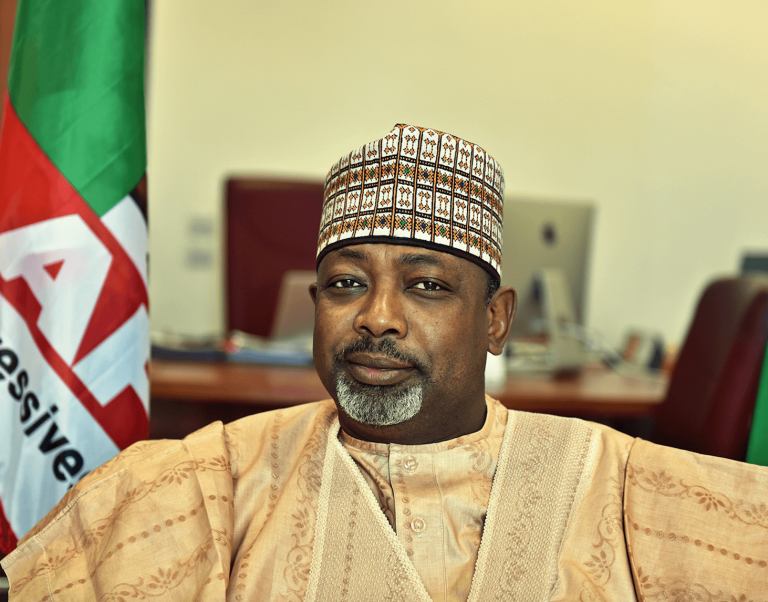
The platform was unveiled by the Minister of Agriculture and Food Security, Sen. Abubakar Kyari, at a multi-stakeholder workshop on best practices for implementing the NDFR, held on Wednesday in Abuja.
Organised in partnership with the International Fund for Agricultural Development (IFAD) and Heifer International, the workshop brought together government agencies, private sector partners, development experts, farmer groups and digital innovators.
A New Digital Backbone for Nigerian
AgricultureKyari described the registry as a cornerstone of the Federal Government’s food security and economic renewal agenda, noting that Nigeria cannot achieve stable food systems without reliable, harmonised farmer data.
According to the minister, NDFR will:
Uniquely identify every Nigerian farmer
Improve access to inputs, grants and
According to the minister, NDFR will:
Uniquely identify every Nigerian farmer
Improve access to inputs, grants and credit
Strengthen extension service delivery
Reduce duplication, ghost beneficiaries and fraud
Enhance planning, monitoring and impact evaluation
Promote accountability across agricultural value chains
This shift aligns with global best practices in digital agriculture, where countries such as Kenya, Rwanda and India have successfully leveraged unified farmer registries to streamline subsidies, improve credit access and accelerate mechanisation programmes.
NIN-Enabled Registry to Improve Verification and Reduce FraudTo ensure accuracy and integrity, the Ministry of Agriculture is partnering with the National Identity Management Commission (NIMC) to build an NIN-enabled platform.“Unique verification of each farmer will significantly reduce duplication, fraud and fragmentation across agricultural databases,” Kyari said.
Experts say this integration is crucial, given the fragmentation of farmer records across state ADPs, CBN credit programmes, donor projects, and private-sector schemes. Nigeria has at least 12 different farmer databases, many with overlapping records—a challenge the NDFR aims to resolve.
Strengthening Data Protection and Cybersecurity
Kyari also announced collaboration with the Office of the National Security Adviser (ONSA) to embed robust security safeguards into the system, including:
Data-protection protocols
Cybersecurity layers
National security considerations
With more farmers adopting digital tools—USSD input vouchers, e-wallets, mobile extension platforms—experts argue that strong cyber defences are critical to prevent data misuse and protect rural communities.
Aligning With the AU and CAADP Digital Transformation Agenda
The minister noted that the NDFR is aligned with the Kampala Declaration on Strengthening Digital & Data Systems for Agriculture, a continental commitment under the Comprehensive Africa Agriculture Development Programme (CAADP).
The declaration urges African countries to:
Build harmonised digital ecosystems
Improve data governance
Promote interoperability across agriculture platforms
Kyari said Nigeria is demonstrating continental leadership by building a unified, farmer-centred digital ecosystem driven by evidence-based planning.
Development Partners Applaud the Initiative
IFAD Country Director, Dede Ekoue, praised the launch as a strong step toward transparent, inclusive agricultural development.
A robust NIN-empowered registry enhances service delivery and transforms the lives of farmers,” she said.
Heifer Nigeria Country Director, Dr. Lekan Tobe, added that Heifer and IFAD are supporting policy dialogue, research and capacity building to ensure the registry is sustainably implemented.
Heifer is leading global best-practice research to build a roadmap for the platform, drawing lessons from digital agriculture ecosystems in Brazil, India and East Africa
Why the Farmers Registry Matters (Research Insight)
Across Africa, digital farmer registries:
Increase subsidy efficiency by up to 40%
Cut input diversion and fraud by over 60%
Expand credit access through verified digital identities
Improve emergency response (e.g., flood or drought support)
Enable targeted mechanisation and extension services
Nigeria home to over 38 million farmers, according to FAO estimates has long struggled with incomplete, inconsistent farmer data.
Reports from the e-wallet era showed that up to 20–30% of registered beneficiaries were non-farmers, leading to leakages in input distribution.
The NDFR aims to close such gaps permanently.
A New Era for Data-Driven Agricultural SupportKyari said the NDFR marks a turning point in efforts to modernise agriculture and ensure every farmer receives the support needed.
“We must strengthen data governance and ensure that every farmer in Nigeria is uniquely identified, properly documented and effectively supported.
”Stakeholders say the registry will transform how government delivers:Fertiliser subsidiesMechanisation services
Flood and climate relief
Commodity market interventions
Youth and women empowerment programmes
Credit, insurance and extension support
Once fully operational, the platform is expected to become the single most important database for Nigeria’s agricultural transformation.