
By Agrobroadcast News Desk
Nigeria’s dream of achieving sustainable food security is under growing threat from poor storage infrastructure and a deteriorating rural road network that continues to choke the movement of agricultural produce from farms to markets.
This warning, first raised by the Chairman of the Oyo State chapter of the All Farmers Association of Nigeria (AFAN), Mr. Adewumi Abas, echoes a nationwide concern about post-harvest losses and logistics bottlenecks that have crippled farmers’ profitability and worsened food inflation.
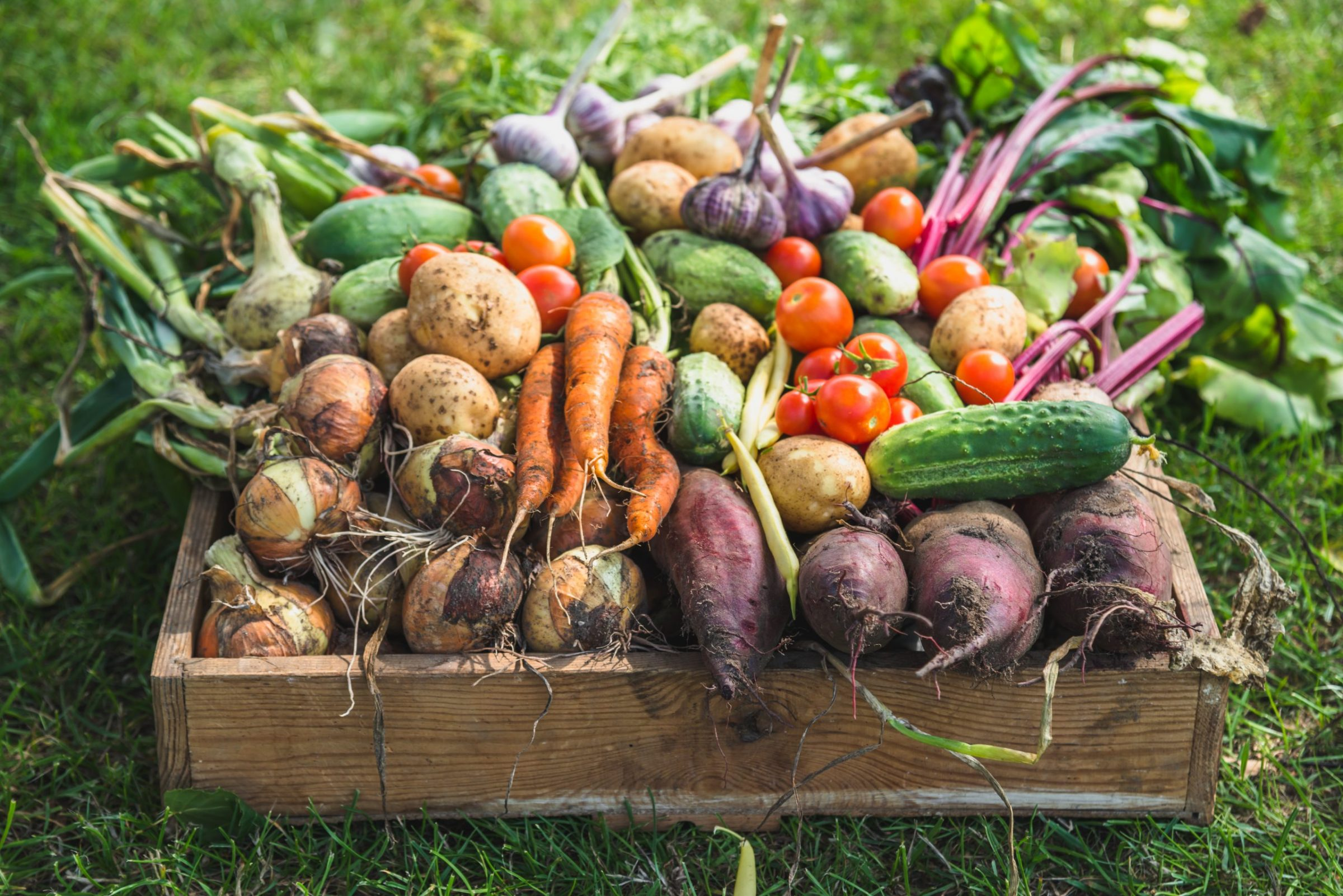
Speaking with the News Agency of Nigeria in Ibadan, Abas lamented that thousands of tonnes of perishable food items such as tomatoes, peppers, and leafy vegetables rot away every harvest season because of inadequate cold storage and preservation facilities.
“Some of our crops must be harvested every three days whether there’s a market or not. Without proper storage, the quality drops, and so does the market value. It’s painful to see produce perish after all the work we put in,” Abas said.
He called on federal and state governments to invest in modern storage and preservation facilities, noting that farmers’ associations across the country are ready to partner with government or private investors to manage and operate such facilities.
40 Percent of Produce Lost Annually
Agricultural experts say Nigeria loses between 30 to 40 percent of its annual food output to post-harvest losses — a figure that translates to over ₦3.5 trillion in wasted value every year.
According to the Nigerian Stored Products Research Institute (NSPRI), the losses stem largely from poor storage, inadequate cold-chain systems, and lack of processing centers close to farming communities.
“Only a fraction of what farmers produce gets to consumers in good condition,” said agricultural analyst Dr. Sarah Alao of the University of Ibadan. “This is not just an infrastructure problem; it’s an economic crisis. Every spoiled tomato or yam means lost income for farmers and higher prices for families.”
Recent surveys by BusinessDay and Nairametrics also confirm that many state-owned silos and storage centers across Nigeria remain non-functional or underutilized, despite heavy investments made over the years.
Bad Roads Drive Up Food Prices
Beyond storage, bad rural roads have become a nightmare for farmers and transporters alike.
From Oyo to Niger, Benue to Zamfara, thousands of kilometers of farm-to-market roads are either unpaved or impassable, especially during the rainy season.
Farmers in remote communities often trek long distances or pay labourers to head-load their produce to the nearest motorable points.
Transporters, in turn, charge exorbitant fees to offset the risk of vehicle damage on bad roads — costs that are ultimately passed down to consumers through higher food prices.
“During harvest time, transporters avoid our villages because of the roads. Those who agree to come charge double. We end up paying labourers to carry the goods to the road before vehicles can load them,” Abas explained.
According to a Vanguard investigation published in August 2025, the poor state of Nigeria’s rural roads contributes directly to rising food inflation, as transport costs now account for up to 40 percent of farmgate-to-market pricing.
Experts Urge Integrated Investment
Stakeholders are urging the government to adopt a holistic approach that integrates rural infrastructure, logistics, and cold-chain development into the country’s agricultural transformation agenda.
“Storage facilities alone won’t solve it; we must fix rural roads, power supply, and processing hubs,” said Dr. Kabiru Ibrahim, National President of AFAN. “Without these, our farmers remain trapped in poverty despite producing food for the nation.”
The African Development Bank (AfDB) recently announced plans to mobilize over $2.2 billion to support Nigeria’s agro-processing zones and logistics corridors, which could help address part of the problem if effectively implemented.
Meanwhile, private cold-chain startups and agritech innovators are entering the sector, though experts warn that their efforts need government backing to achieve national impact.
A Threat to National Stability
Nigeria’s worsening food insecurity, driven partly by logistics and storage failures, is emerging as a national stability issue, with food inflation remaining above 30 percent according to the National Bureau of Statistics (NBS).
Farmers’ groups warn that unless urgent steps are taken, the nation may continue to rely heavily on food imports — undermining local production and exposing millions of Nigerians to hunger and malnutrition.
“Food security isn’t just about farming; it’s about access, storage, and movement,” Dr. Alao added. “If roads remain broken and our silos stay empty, we are only feeding inflation, not the people.”
Editor’s Note:
This report is part of Agrobroadcast’s “Feeding the Nation” series investigating key challenges affecting Nigeria’s food systems — from production to preservation and distribution.