
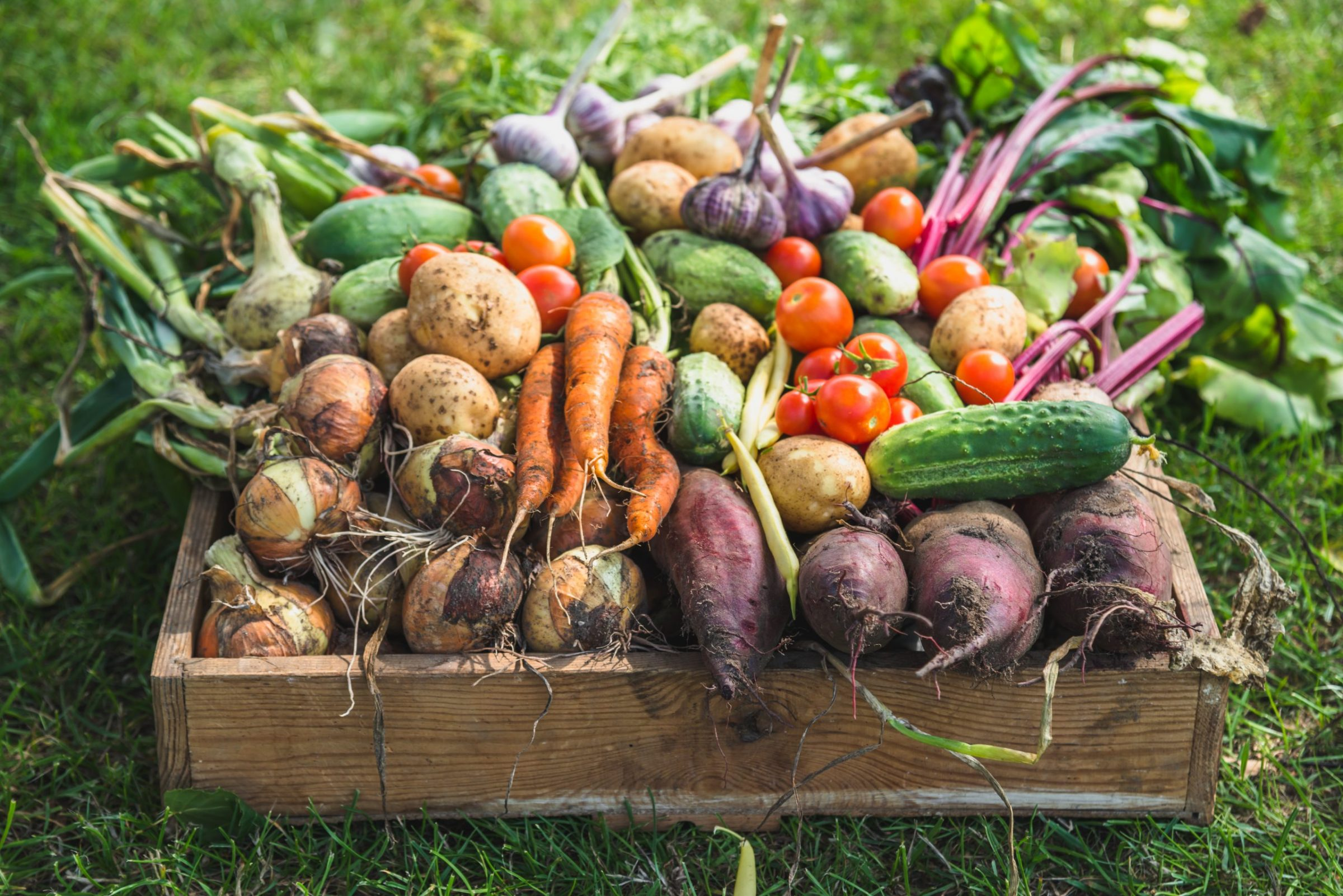
ABUJA — The Nigerian government has launched an ambitious, decade-long investment plan—the Nigeria Post-Harvest Systems Transformation Programme (NiPHaST)—to tackle the country’s colossal food waste problem, which currently costs the economy an estimated $10 billion annually.
The strategy, announced by the Minister of Agriculture and Food Security, Senator Abubakar Kyari, seeks to mobilize $3.5 billion in blended finance and private investment to drastically reduce post-harvest losses, which can reach up to 60% in perishable value chains and undermine food security.
The Scale of the Problem and NiPHaST Focus
Post-harvest losses—the food that spoils between the farm and the consumer—are identified as a major driver of food price inflation and a threat to national stability.
| Value Chain Loss Statistics (Recent Data) | Key NiPHaST Interventions |
| Monetary Loss: Nigeria loses an estimated $10 billion (or ₦3.5 trillion) to post-harvest inefficiencies annually. | Infrastructure: Focus on household storage technologies, community-level warehouses, cold rooms, and strategic national silos managed via Public-Private Partnerships (PPPs). |
| Value Chains: Losses are particularly acute in cereals, pulses, roots and tubers, and vegetables. The tomato value chain alone sees losses up to 50%. | Financing & Risk Mitigation: Introduction of blended finance tools (concessionary loans, guarantees, and first-loss capital) by the National Agricultural Development Fund (NADF) to de-risk investments. |
Export to Sheets
Government Pledges and Investor Challenges
The Federal Government, through the Vice President’s office, has concurrently rolled out a slew of new incentives to attract the private capital necessary for this transformation. These incentives include: single-window platforms for land registration, large-scale mechanisation, and reforms to strengthen the agricultural credit system.
Mr. Mohammed Abu Ibrahim, Executive Secretary of the NADF, stressed that this is a shift in strategy:
“Governments have done a lot, but what investors want is risk mitigation, enabling policies, and bankable opportunities. That is what we are creating”.
However, investors face significant hurdles that NiPHaST must overcome:
- Macroeconomic Instability: High inflation, reaching a 28-year peak in late 2024, and currency volatility (the Naira lost over 40% of its value in one period) increase operational costs and uncertainty for agribusinesses.
- Infrastructure Deficit: The lack of a reliable and affordable power supply and limited technical capacity for maintenance are critical barriers to developing a viable cold chain system.
- Security & Policy Risk: Security concerns, regulatory uncertainty, and corruption at ports are consistently cited by both domestic and foreign investors as major deterrents.
The overall strategy seeks to reposition agriculture “as a modern business sector rather than subsistence activity,” aiming to unlock private investment and restore farmer livelihoods.